How The Mount Ousley Interchange And Bulli Bypass Are Impacting Heavy Vehicles Across The Illawarra
By BITR Enterprises • June 24, 2026
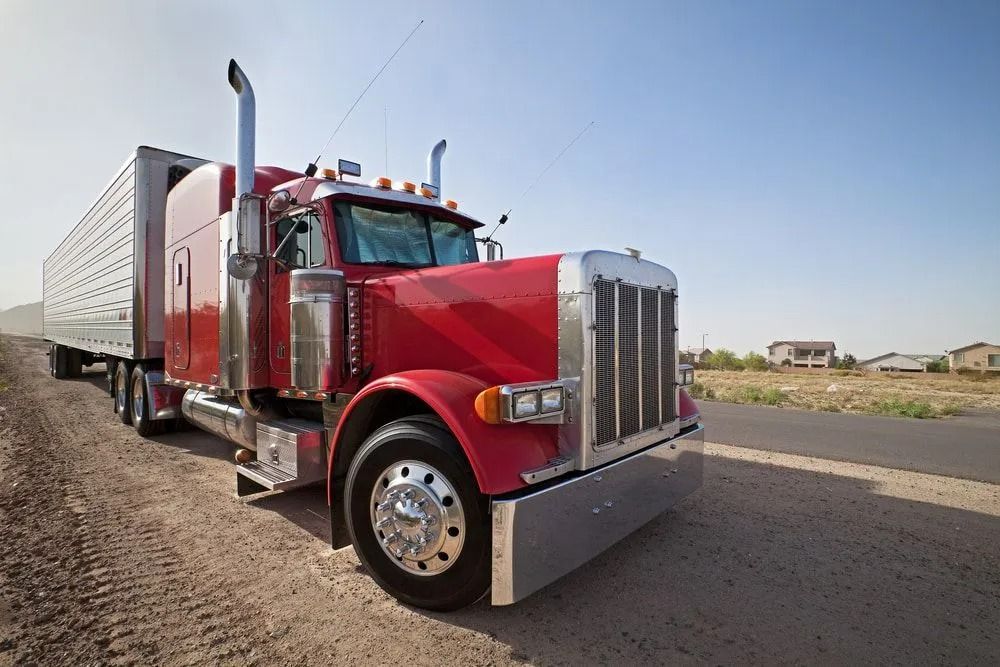
Major roadworks on the M1 Princes Motorway are driving up demand for Illawarra truck repairs. The Mount Ousley interchange upgrade and the proposed Bulli bypass are reshaping how freight moves through the region and the reduced speed limits, detours and stop-start driving that come with them put real strain on brakes, clutches, drivelines and cooling systems. If you run heavy vehicles through Wollongong, this is wear you can plan for.
What Is the Mount Ousley Interchange Upgrade?
The Mount Ousley interchange upgrade is a Transport for NSW project worth approximately $400 million. Construction started in late 2024 and is expected to take around four years, with completion targeted for 2028. The project delivers three grade-separated bridges over the M1 Princes Motorway, a dedicated heavy vehicle safety ramp, and a redesigned interchange that removes the existing traffic light bottleneck at the base of Mount Ousley Road.
The upgrade is designed to handle the roughly five million tonnes of freight that move through the corridor every year, including containerised freight from Port Kembla and long-haul traffic connecting Sydney to the South Coast. The long term benefit is clear: safer, more reliable journeys for trucks. The short term reality is four years of live construction on a road your fleet uses daily.
How Construction Traffic Is Affecting Truck Operators Right Now
Through the current construction phase, drivers are dealing with a 60 km/h temporary speed limit across the work zone, rolling lane and shoulder closures, and regular night works that shift lane arrangements from week to week. Transport for NSW has also scheduled a series of 46-hour weekend closures through the first half of 2026 to move major structures into place, which pushes freight onto detour routes for days at a time.
Operators running the corridor regularly are already reporting the wear patterns you would expect from long-term construction zone driving: more frequent brake adjustments, earlier clutch wear on manual heavy vehicles, and cooling systems working harder because of extended idle and low-speed loaded running. It is the type of wear that builds up quietly across a fleet before it shows up as a callout.
What Is the Bulli Bypass and What Does It Mean for Heavy Vehicles?
The Bulli bypass is still in the investigation and planning stage. In 2024 the NSW Government committed $20 million to progress the work, with an options report due in 2026 to identify a preferred corridor and confirm what a future bypass might look like.
Early planning ruled out any alignment that would cut through the escarpment, tie into the M1 south of Bulli, or add extra lanes to the existing Bulli Pass, because of the environmental and cultural impact on the Illawarra Escarpment State Conservation Area. Attention has since shifted toward extending Memorial Drive as the most viable path forward.
There is no construction funding attached to any of this yet. In the meantime, freight continues to run through the Bulli town centre alongside local traffic, school zones and parked cars, which keeps low-speed manoeuvring, braking and clutch work at the top of the wear list for heavy vehicles working the northern Illawarra.
How Stop Start Construction Zone Driving Damages Your Truck
Repeated braking, gear changes and low-speed running in construction zones accelerate wear on almost every driveline component. The damage is rarely dramatic, but it accumulates fast when trucks run the same corridor day after day.
- Brakes: Constant slowing from highway speed to 60 km/h and back heats up linings and drums, shortens pad life and increases the frequency of slack adjuster and brake chamber attention.
- Clutch and transmission: More gear changes at low speed under load wear out clutch plates, pressure plates and release bearings well ahead of scheduled service intervals.
- Cooling system: Extended idle and low-speed climbing let engine and transmission temperatures creep up, which stresses radiators, hoses, water pumps and fans.
- Suspension and steering: Rougher temporary surfaces, uneven joins and shifted lane markings push more work through bushings, shocks and steering components.
Booking earlier brake and clutch repairs is often cheaper than waiting for a component to fail on the highway, especially when the failure happens inside a live work zone.
As a worked example, one Wollongong-based operator running daily container work through Mount Ousley reported burning through a clutch in about 70% of its usual service life after six months of construction zone driving, simply because of the extra low-speed gear changes and hold-on-hill work at the temporary lane merges.
Detour Routes and the Hidden Mechanical Cost of Extra Kilometres
When the M1 closes for weekend structure work or lane shifts, freight is pushed onto Picton Road and, for local movements, onto suburban streets through Corrimal, Bulli and Thirroul. Those routes carry steeper grades, tighter geometry and rougher surfaces than the motorway they replace, and add real kilometres onto every run.
Every extra kilometre on a heavy vehicle is measurable wear on tyres, brakes, driveline and suspension. The distance itself is not the problem; the type of driving that comes with it is.
For fleets running the corridor regularly, it is worth shortening inspection cycles while the disruption continues, and considering an on-site mobile mechanic visit rather than losing a truck to the workshop for routine checks.
Why Illawarra Truck Operators Need a Reliable Repair Partner on Call
Downtime from an unplanned breakdown during a construction closure is expensive: recovery is harder, alternative routes are congested, and a truck stuck in a work zone can hold up an entire corridor. The cost of the callout is usually the smallest part of the bill.
Proactive servicing is the practical response. Bringing scheduled maintenance forward, catching brake and clutch wear early, and treating detour kilometres as accelerated wear keeps trucks earning rather than sitting on the shoulder.
A regular complete repair partner who knows the fleet, the routes and the current construction footprint is the difference between planned maintenance and a bad day on the M1.
BITR Enterprises: 24/7 Truck Repairs Across the Illawarra
At BITR Enterprises we service heavy vehicles across Wollongong, the Southern Highlands and Sydney, from workshop-based mechanical work through to on-site mobile repairs and genuine and aftermarket parts. We work with local operators every day and know how the current M1 works are wearing trucks.
If your fleet is running the Mount Ousley corridor or freight through Bulli, Contact BITR Enterprises or call us on (02) 4231 4143 to plan servicing around the roadworks and keep your trucks earning.
Frequently Asked Questions
How are the Mount Ousley roadworks affecting truck drivers?
The works bring reduced speed limits (60 km/h through working hours), lane and shoulder closures, and stop-start driving on the M1 Princes Motorway. This means more braking, more gear changes and longer journey times, which accelerate wear on brakes, clutches and drivelines.
How long will the Mount Ousley interchange take to finish?
The upgrade began in late 2024 and is expected to take around four years, with completion currently on track for 2028.
Will the Bulli bypass go ahead?
The bypass is still in the investigation and planning stage. The NSW Government has committed $20 million to assess the options, with an options report due in 2026 and community feedback to follow. No construction funding has been allocated yet, and a final route is still years away.
Does stop-start construction traffic really damage a truck?
Yes. Repeated braking and acceleration heat up and wear brakes, stress the clutch and transmission, and make engines run hotter at low speeds. Over months of construction zone driving, this typically shortens the gap between services.
How often should I service my truck during the roadworks?
While disruption continues, it's worth shortening your inspection cycle and bringing scheduled maintenance forward, especially for brakes and clutches. Extra detour kilometres should be treated as accelerated wear.
Truck Broken Down?
24h emergency roadside assistance — call now for a fast response.
Call (02) 4231 4143